Rising energy costs and production bottlenecks are serious concerns for foundries today. If you’re operating with an outdated or inefficient industrial furnace, you’re not just losing heat—you’re losing money, time, and market competitiveness.
To boost foundry efficiency and remain competitive in modern metal casting, it’s essential to invest in a custom industrial furnace engineered for your specific process. That’s where partnering with a top-tier industrial furnace manufacturer makes a critical difference.
Let’s break down the hidden costs of inefficiency and how the right partnership can transform your bottom line.
What Are the Hidden Costs of an Inefficient Industrial Furnace?
A functioning furnace might seem adequate—but have you analyzed the hidden expenses it racks up? From rising energy bills to unpredictable downtime, inefficiency quietly chips away at your profits.
An inefficient metal melting furnace typically results in:
- Increased energy consumption
- High maintenance costs
- Unexpected downtime
- Reduced throughput and product quality
- Lower overall profitability
Energy Drain That Hurts Your Margins
Older furnaces waste energy due to outdated heating elements, poor insulation, and primitive control systems. This leads to inflated utility costs, especially for foundries operating under tight margins. Upgrading to a modern furnace optimized for energy efficiency can cut power bills significantly and increase ROI.
Operational Interruptions and High Maintenance
Frequent breakdowns not only cost money in repairs but also stall production. Delayed orders damage your reputation and strain client relationships. For example, Yeasun’s custom-built furnaces reduce downtime through smart engineering, resulting in consistent uptime and lower operating costs.
| Cost Factor | Inefficient Furnace | Efficient Furnace |
|---|---|---|
| Annual Energy Cost | $150,000 | $105,000 |
| Maintenance Cost | $30,000 | $5,000 |
| Downtime Loss | $50,000 | $5,000 |
| Total Annual Cost | $230,000 | $115,000 |
How Custom Industrial Furnace Manufacturing Solves Operational Challenges
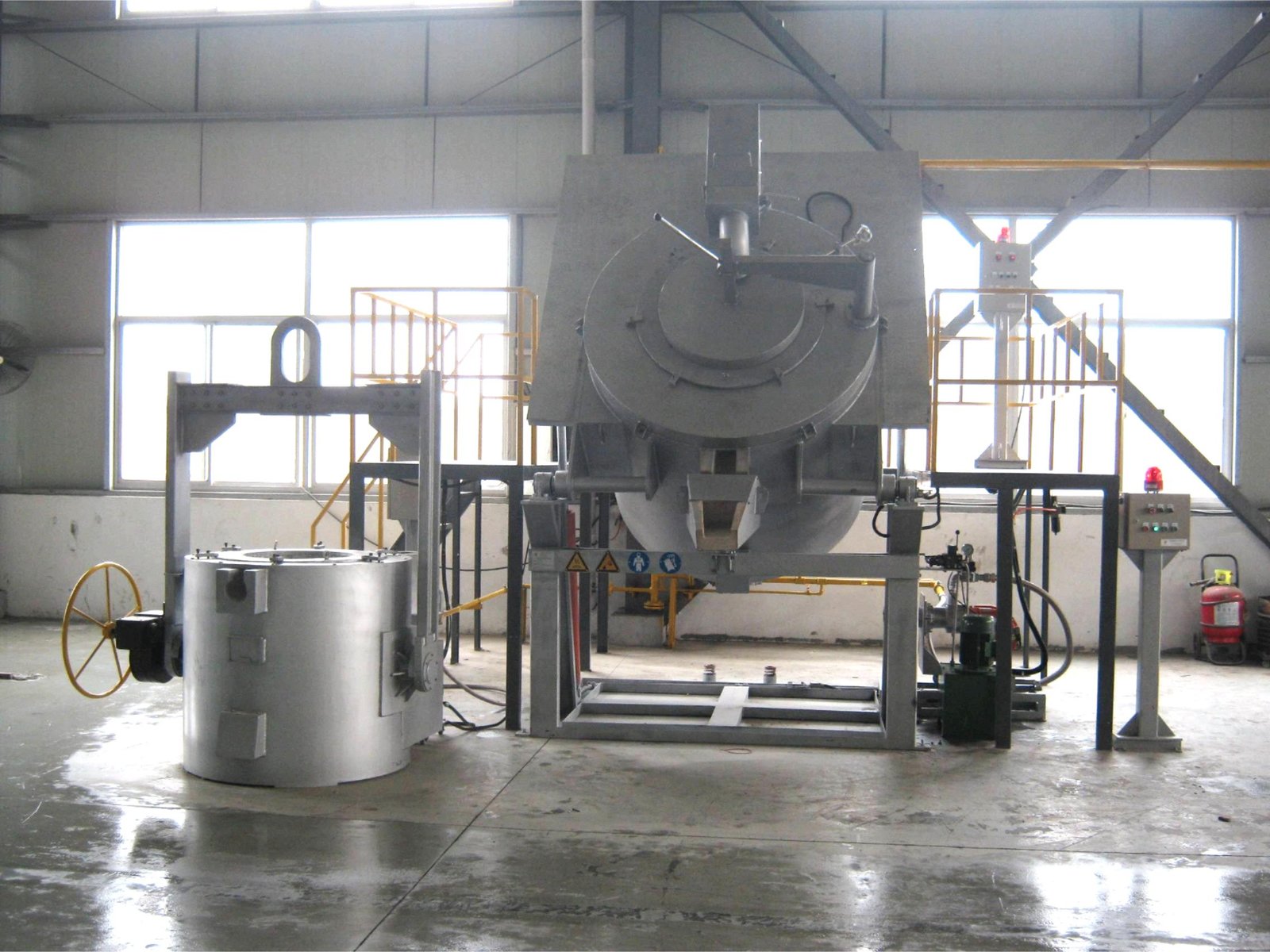
Standard furnaces often force compromises—poor fits, subpar heating profiles, and wasted space. Custom industrial furnaces, on the other hand, are built around your exact production needs.
Custom Designs for Maximum Efficiency
From unique chamber shapes to precision heating zones, custom furnaces are engineered to meet your exact specifications. Whether you’re casting aerospace-grade alloys or processing high-volume steel, custom design improves temperature uniformity, product quality, and energy efficiency.
Scale Production Without Sacrifices
Custom builds allow you to match your furnace size to batch requirements—whether you run small prototypes or large-scale melts. Reliable manufacturers like Yeasun also offer fast turnarounds, scalable designs, and seamless installation support to accelerate your time-to-production.
What Defines a Reliable Industrial Furnace Manufacturer?
Choosing the wrong supplier leads to delays, cost overruns, and long-term frustration. The best industrial furnace manufacturers distinguish themselves with engineering depth, transparency, and post-sale commitment.
Engineering Know-How That Goes Beyond Sales
Top manufacturers don’t just offer equipment—they provide engineering solutions. Look for manufacturers with a history of successful installations, a strong portfolio of custom builds, and a transparent design process.
Long-Term Support, Not Just a Transaction
Post-purchase support is essential. Leading manufacturers provide:
- On-site installation & commissioning
- Operator training
- Scheduled maintenance plans
- Spare parts availability
Manufacturers with clear delivery schedules and responsive service teams ensure you stay operational long after the sale.
How Modern Technology Is Revolutionizing Furnace Efficiency
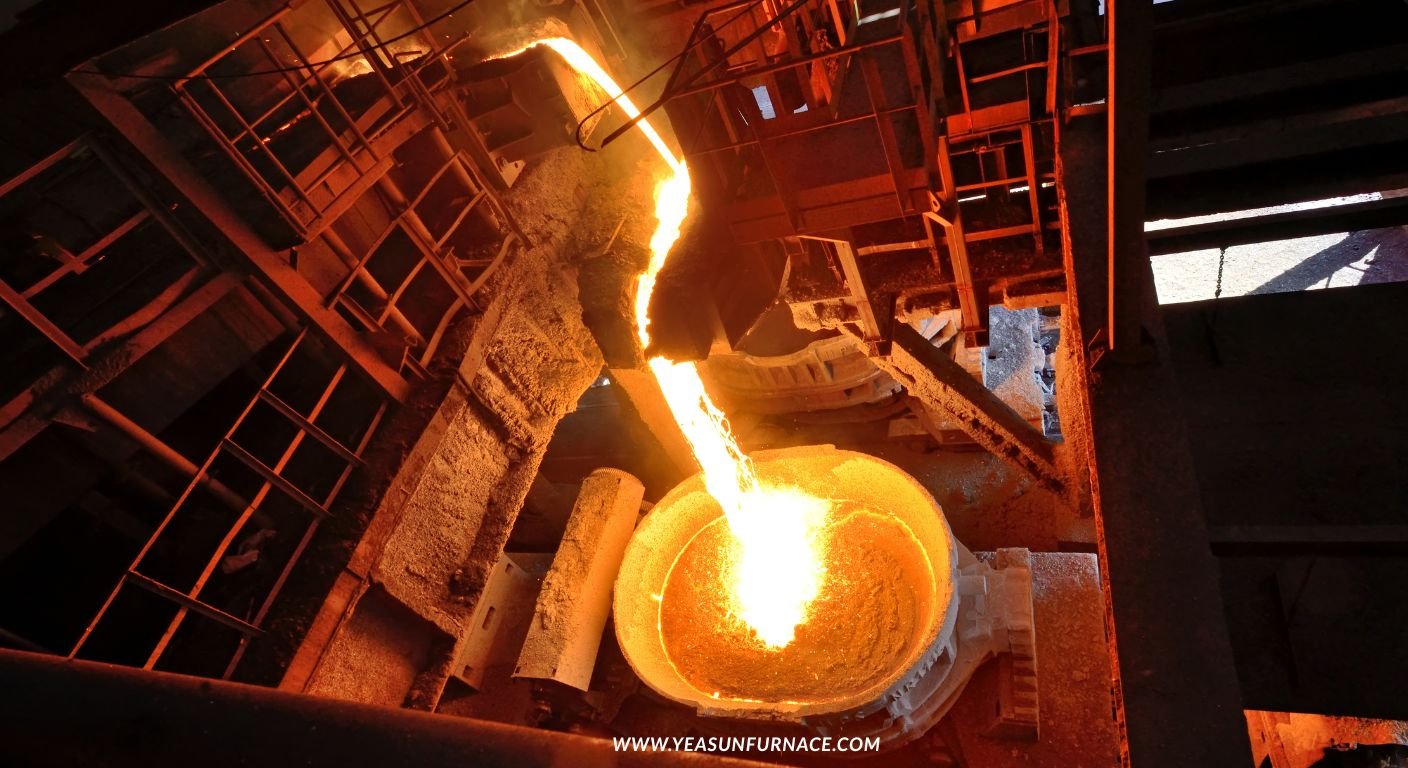
Rising sustainability demands and efficiency goals are pushing foundries to adopt Industry 4.0 technologies. Smart furnaces embedded with sensors and automation are the future of melting operations.
Smart Furnaces with IoT & Automation
Connected furnaces with real-time sensors enable predictive maintenance, real-time performance monitoring, and intelligent process adjustments. This reduces downtime and ensures consistent melting cycles.
Sustainability Through Innovation
Modern designs focus on:
- Heat recovery systems
- Low-emission burners
- Advanced insulation materials
- Automated combustion control
Manufacturers like Yeasun help foundries reduce their carbon footprint while cutting operational costs, ensuring compliance with ISO 50001 and EPA standards.
| Feature | Traditional Furnace | Smart Furnace |
|---|---|---|
| Controls | Manual/Basic PLC | IoT + AI |
| Energy Efficiency | Low | 30% higher |
| Monitoring | None or Limited | Real-time |
| Maintenance | Reactive | Predictive |
Conclusion
Don’t let an outdated furnace hold your operation back. A custom industrial furnace is a long-term investment in efficiency, sustainability, and profitability. Partnering with an expert industrial furnace manufacturer gives you the tools and support needed to overcome inefficiencies and achieve your performance goals.
FAQ
1. What’s the lead time for a custom industrial furnace?
Most projects take 8–16 weeks depending on complexity. Standard models may be ready in 4–6 weeks, while highly customized systems can take up to 20 weeks.
2. Do manufacturers provide installation and training?
Yes. Top manufacturers offer full installation, commissioning support, operator training, and after-sale maintenance.
3. What should I look for in a furnace manufacturer?
Check for experience, custom capabilities, fast turnaround, energy efficiency solutions, safety certifications (like NFPA/ASME), and post-sale support.
4. What types of industrial furnaces are there?
Popular types include vacuum furnaces, roller hearth furnaces, drop bottom, melting furnaces, and annealing systems. Choose based on your process and material.
5. How do modern furnaces meet environmental standards?
Modern designs use heat recovery, low-emission systems, and optimized combustion to meet ISO and EPA compliance.
- Global Industrial Furnace Market Analysis and Forecast Report
- ASME Boiler and Pressure Vessel Standards for Industrial Furnaces
- NFPA 86 Standard for Ovens and Furnaces Safety Requirements
- U.S. Department of Energy Industrial Furnace Efficiency Guidelines
- International Energy Agency Industrial Heating Technology Roadmap




 English
  German
  Spanish
  Indonesian
  Portuguese
  Russian
  Arabic
  Turkish